

Commercial Real Estate
Construction Progress Drone Photography: Make Every Visit Comparable
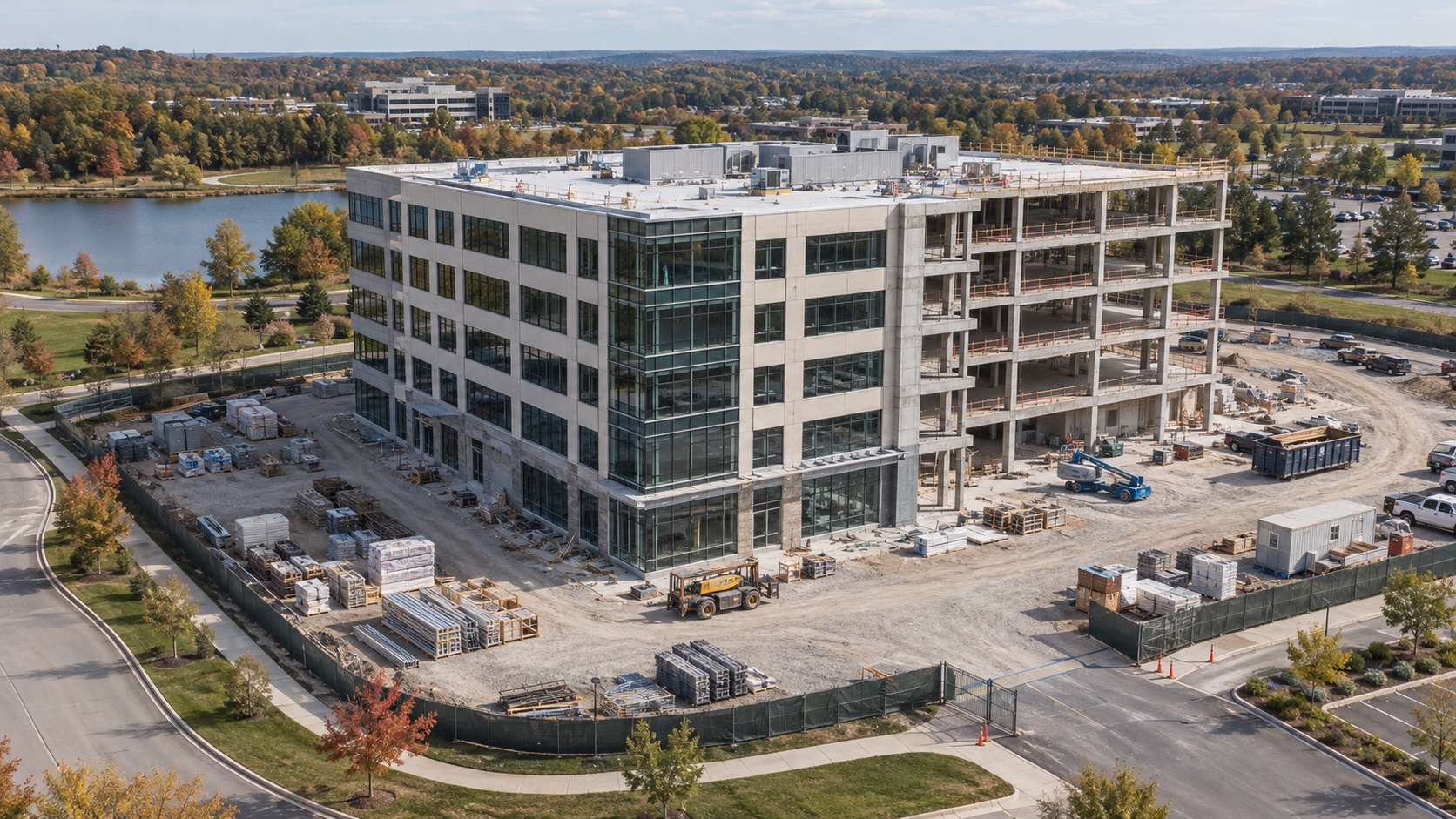
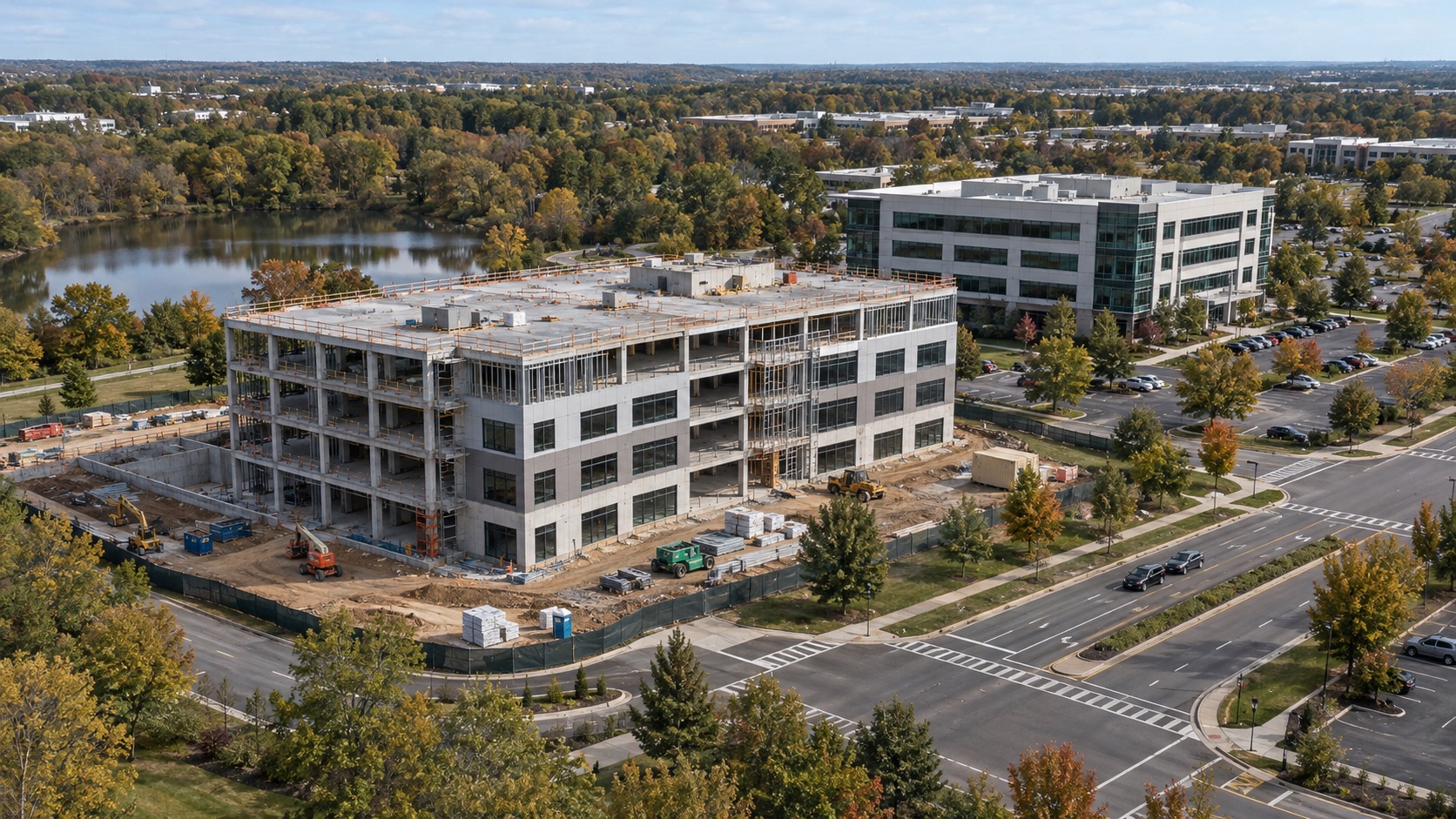
Last month’s construction photograph looked east across the site. This month’s looks south, from farther away. The building may have changed substantially, but the owner’s presentation cannot show that clearly. Reviewers spend their time finding familiar features instead of discussing what happened between visits.
Construction progress drone photography becomes more useful when every visit contributes to a planned visual record. For commercial property owners, developers, and leasing teams, the goal is a sequence that makes visible change easy to follow. That starts with a consistent brief, a small set of reference views, and an honest account of anything that interrupts the comparison.
Choose the question before choosing the viewpoint
Begin with the meeting or decision the pictures will support. An owner may need a monthly overview for an investor update. A development team may want to explain how the building envelope is changing. A leasing team may need current exterior imagery to replace an outdated rendering in a presentation.
Those uses overlap, but they do not require identical pictures. Separate the recurring record from occasional campaign images. Preserve the views needed for comparison, then add a closer detail or polished marketing composition when it serves a specific purpose.
Consider a hypothetical office development moving from structural work toward enclosure. The recurring overview establishes the whole site. A second view shows the main elevation. A third connects the future entrance to its surroundings. Together, they create a readable sequence without pretending to document every trade or activity.
Build a reference set the next visit can follow
After the first suitable visit, select a few useful photographs as references. Give each view a stable label, such as Site Overview A or Main Elevation B. Mark the intended subject in the brief and describe the direction of view. Keep the reference images available to whoever coordinates subsequent visits.
Include recognizable landmarks near the edges of each reference frame: a neighboring road, a permanent corner of the building, or a site entrance. They help reviewers orient the images and notice when a later composition has shifted.
Ask the provider how closely those compositions can be repeated and which conditions could require a change. Consistency should guide the assignment without turning a reference image into an instruction to fly an unsuitable route. The pilot needs room to assess the actual site and operating conditions.
In a bridge-construction example, the Federal Highway Administration describes preplanned routes and waypoints supporting repeatable imagery. The transferable idea for a commercial development is to plan comparisons in advance. An earlier flight plan still needs review when site conditions change.
| Keep consistent | Allow to change |
|---|---|
| View label, principal subject, and viewing direction. | Position when site access or operating conditions require it. |
| How much surrounding context the photograph includes. | Additional detail views that explain a new phase. |
| Date labels, folder order, and presentation layout. | The visit date when conditions prevent the planned capture. |
Document departures from the reference set. A short note saying that a crane obscured the usual view is more useful than quietly substituting a different image under the same label.
Make the comparison fair enough to read
Place successive photographs beside each other at the same displayed size. Keep the site oriented consistently and crop cautiously: removing the same corner from one visit can conceal a change or make the buildings appear misaligned. Retain the original files alongside presentation versions.
Lighting, shadows, vegetation, weather, and temporary equipment can all affect what the reader sees. Aim for reasonably similar capture conditions where practical, but record meaningful differences rather than promising identical results. A wet roof and a dry roof may look different even when the roof itself has not changed.
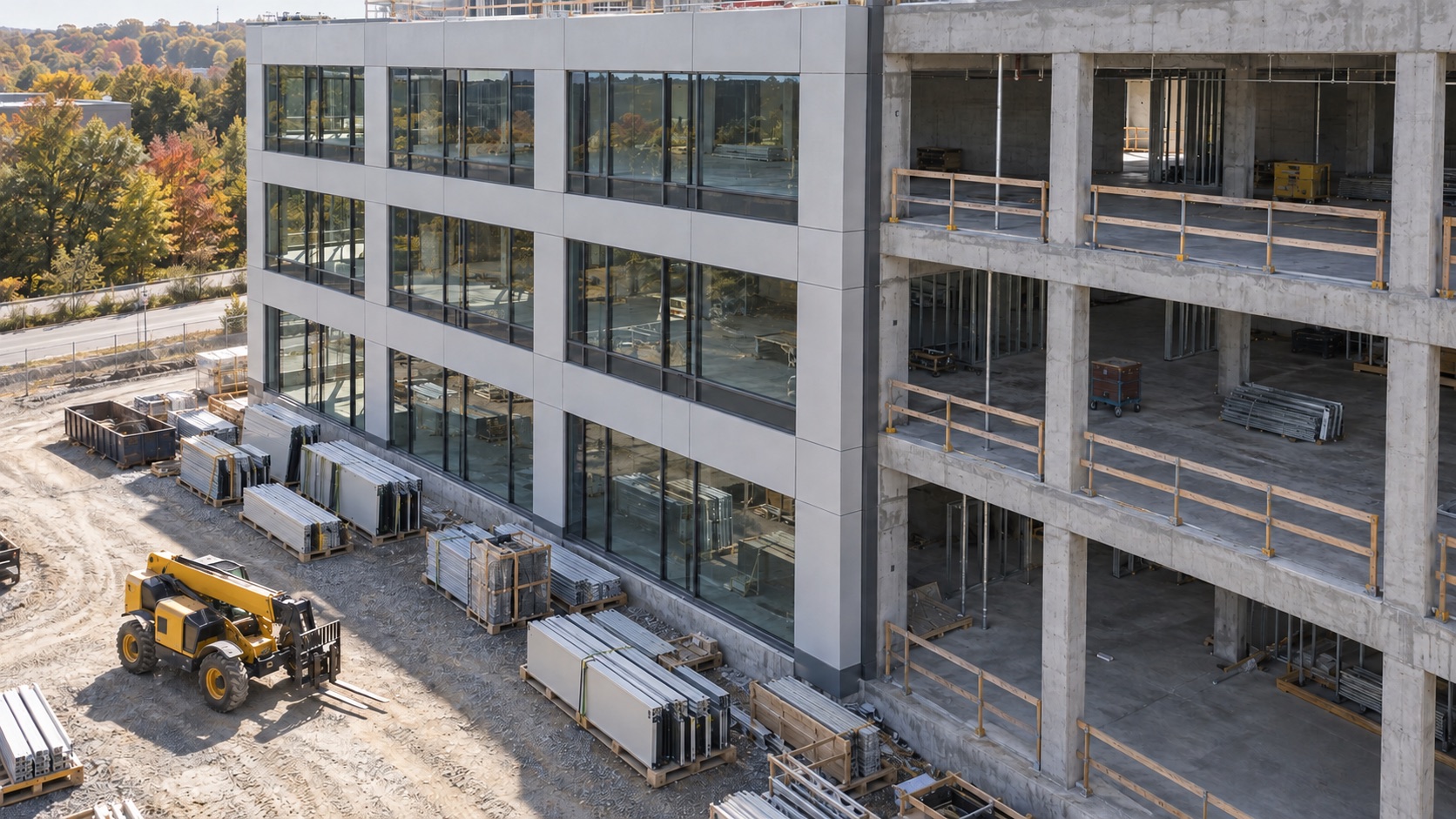
Use a simple caption pattern: capture date, view label, and one factual observation approved by the project team. For example, “October 19, Main Elevation B: exterior panels visible along the eastern elevation.” Avoid turning a visual observation into a conclusion about completion, workmanship, or readiness for occupancy.
Test the first comparison with someone outside the daily project conversation. Ask them to identify the same building face in both images and describe the visible difference. If they cannot, adjust the presentation or reference set before commissioning more visits. This checks readability without asking an unfamiliar reviewer to assess construction quality.
Set a cadence around the reporting need
Choose visit frequency with the people who will use the record. A monthly reporting cycle may suggest a recurring monthly capture window. A short phase with rapidly changing exterior work may justify a different interval. Start with the purpose and practical constraints, then agree on a feasible plan.
Identify who confirms site readiness, receives schedule changes, and approves any additional visit. Include a fallback for weather or restricted access. The reporting deadline and the flight date should leave time for delivery, selection, labeling, and review; otherwise, the newest photographs may arrive too late to be useful.
Keep requested dates separate from actual capture dates. If a visit moves, label the photographs with the date they were taken. A clean monthly presentation should not imply that images were captured on a date chosen merely to make the sequence look regular.
Deliver a record people can find and reuse
Agree on a naming convention before the second visit. VA construction specifications offer a documentation precedent: photographs identified by date, project, and sequence. A pattern such as project identifier, capture date, and view label helps the team pair matching perspectives. Avoid relying on filenames supplied directly by the camera to explain the record.
Keep a chronological index with links to each delivery, the actual capture date, available reference views, and brief notes about exceptions and changes in scope. Give the record an owner. Without that responsibility, useful photographs can disappear into separate email threads while presentation teams rebuild the same timeline repeatedly.
For each reporting cycle, select a concise comparison first, then provide access to the broader set. An overview pair may communicate the principal change more clearly than a slide crowded with twelve unrelated photographs. Readers who need detail can follow the organized record.
Write the limits into the brief
Aerial photographs show visible conditions from particular viewpoints at particular times. They do not, by themselves, establish quantities installed, concealed work, structural soundness, or contractual completion. Questions requiring inspection, measurement, or certification belong with the appropriately qualified project professionals and the scope they need.
When assembling an investor or leasing update, have the project team confirm the accompanying statements. Keep projected milestones distinct from observed conditions. If an image cannot show the point being discussed, add another verified source of information instead of asking the photograph to carry an unsupported claim.
Before commissioning the sequence, confirm the property, intended audience, reference views, reporting rhythm, site contact, delivery format, review responsibility, and process for changed conditions. These decisions make the brief usable across visits and help a replacement coordinator understand the record without reconstructing its history.
Up Sonder’s custom-project options include recurring site visits. Share your project address, reporting dates, and reference images to discuss the aerial photography and delivery needs before booking. A useful progress record begins with a clear comparison plan and becomes more valuable when every new visit can be understood alongside the last.