

Commercial real estate
What Happens Before the Drone Takes Off: The Hidden Work Behind Professional Drone Capture
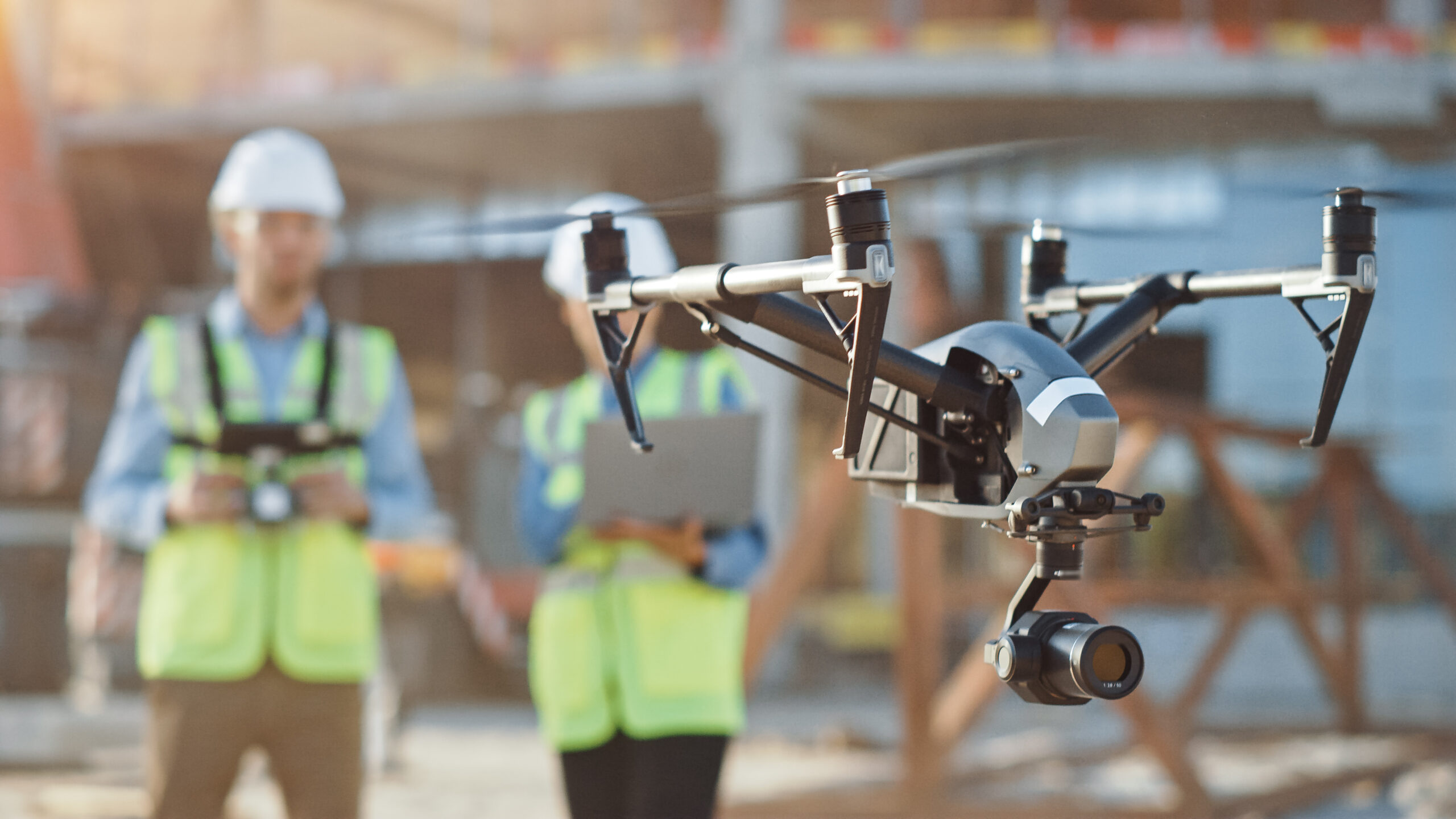
From the outside, drone photography can look deceptively simple.
A pilot arrives on-site, launches a drone, captures a few aerial shots, and delivers a polished video. For many commercial real estate brokers, that appears to be the entire process. And when that’s the perception, the pricing can feel confusing—sometimes even excessive.
But what’s visible is only the final step in a much larger operation.
What brokers ultimately receive—the finished footage—is the result of a structured process that begins well before the drone ever leaves the ground and continues long after it lands. Professional drone capture is not a single action. It is a coordinated workflow involving planning, compliance, execution, and production.
Understanding that process changes how its value is perceived.
The Work Begins Before the Shoot Is Ever Scheduled
Before a drone pilot is even assigned, the job itself must be evaluated.
Not every commercial asset is the same. A retail center along a high-traffic corridor requires a completely different visual strategy than an industrial facility or a multi-building office park. At this early stage, decisions are already being made about what the final deliverable needs to accomplish.
The goal is not simply to “capture the property.” It is to ensure that the footage answers the questions an investor will ask the moment they see the listing.
That means identifying what matters most: traffic flow, visibility, access, surrounding uses, and how the property sits within its environment. These decisions guide everything that follows. Without this level of pre-planning, drone footage becomes reactive instead of intentional—and that is immediately felt by investors.
Airspace Is the First Constraint—Not an Afterthought
One of the most overlooked realities of drone work is that it is governed by airspace, not convenience.
Every commercial drone flight in the United States must comply with FAA regulations. Before confirming a shoot, professionals must determine whether the property sits within controlled airspace, whether it is near an airport, and whether flight restrictions or altitude limitations apply.
In many cases, especially in urban or high-growth corridors, authorization is required. This often involves submitting requests through systems like LAANC or coordinating directly with the FAA when automated approvals are not available.
This step is not optional, and it cannot be rushed.
When brokers request immediate turnaround, the limiting factor is often not scheduling—it is compliance. The responsibility of a professional drone provider is to ensure that every flight is conducted legally and safely, regardless of timeline pressure.
Shot Planning Happens Before Arrival
Once airspace has been cleared, the next phase is planning what will actually be captured.
Professional drone work is not improvised. It follows a structured approach designed to eliminate gaps in understanding. Before stepping on-site, the pilot already knows which perspectives must be captured and why.
The property is mapped mentally and often digitally. Key viewing angles are identified. Approach paths are considered. Traffic-facing exposures are prioritized. The surrounding environment—both beneficial and challenging—is factored into the plan.
This ensures that once the drone is in the air, every movement has purpose.
Without this preparation, coverage becomes inconsistent. Important angles are missed. And those missing perspectives often translate into investor questions later.
Timing Is a Strategic Decision
Another layer that rarely gets noticed is timing.
Drone shoots are not scheduled based solely on availability. They are scheduled based on when the property will present most effectively. Light, activity, and environmental conditions all influence the final outcome.
The position of the sun determines how clearly the building is visible and whether shadows obscure critical features. Traffic patterns determine whether a retail site appears active or empty. Even subtle environmental conditions like wind and cloud cover can impact stability and clarity.
Choosing the wrong time can make a strong asset look underwhelming. Choosing the right time enhances contrast, visibility, and perceived performance.
This is why professional shoots are often scheduled at very specific times of day. It is not about convenience—it is about accuracy.
The Flight Itself Is Only One Phase
When the drone finally lifts off, it is executing a plan that has already been built.
This phase requires precision and discipline. The pilot is not simply flying around the property. They are capturing multiple altitude layers, structured movement patterns, and complete directional coverage to ensure that the entire subject property remains consistently visible and understandable.
Each movement—whether it is a lateral pass, a straight-on approach, or a gradual pull-back—is designed to reveal something specific. Scale, access, layout, and adjacency are all communicated through controlled motion and framing.
At the same time, the pilot must remain aware of safety conditions, maintain line of sight, monitor for nearby aircraft, and adjust for environmental changes.
This is not passive work. It is constant decision-making under constraint.
Risk Management Never Stops
Even when everything appears calm, risk is always present.
Professional drone operators are continuously evaluating their environment. They must ensure that the drone avoids people, vehicles, and unexpected obstacles while maintaining full control at all times. They must track battery levels, monitor wind conditions, and remain prepared to respond instantly to any change.
This level of awareness is part of what clients are paying for, even if they never see it directly.
Safe, compliant execution is not assumed—it is actively managed throughout the flight.
The Majority of Work Happens After the Flight
One of the biggest misconceptions is that the job ends when the drone lands.
In reality, post-production often requires more time than the flight itself. The raw footage captured on-site must be processed, reviewed, and refined before it becomes usable.
Large files are downloaded and organized. Every clip is reviewed for clarity, stability, and relevance. Redundant or unusable shots are removed. The remaining footage is then edited into a cohesive sequence.
This process includes stabilizing footage, correcting color and exposure, adjusting brightness and contrast, and ensuring that each shot flows logically into the next. The goal is to create a final product that feels seamless and intentional—not raw or fragmented.
Finally, the content is exported in formats suitable for offering memorandums, presentations, and digital distribution.
What appears to be a short video is actually the result of a detailed production process.
Consistency Across Markets Requires Coordination
For brokers working across multiple markets, the complexity increases significantly.
Without centralized coordination, each market produces different results. Shot styles vary. Quality fluctuates. Important angles are missed in some locations but captured in others. The overall presentation becomes inconsistent.
Professional drone providers like Up Sonder solve this by managing standardized shot protocols across all markets. Every property is captured using the same structured approach, ensuring that portfolios feel cohesive and comparable.
This consistency is critical when presenting to institutional investors who evaluate multiple assets at once.
Pricing Reflects the Entire Workflow
When drone services are evaluated only by the time spent on-site, most of the work is overlooked.
The price reflects everything that happens before, during, and after the flight. It includes planning, compliance, execution, editing, coordination, and delivery. It reflects the expertise required to produce consistent, investor-ready visuals—not just the act of flying a drone.
Understanding the full workflow reframes the conversation. It shifts the focus from “how long was the drone in the air?” to “how effectively does this content support the deal?”
Drone capture in commercial real estate is not a simple task. It is a structured process designed to reduce uncertainty, improve clarity, and support better decision-making.
While the final footage may appear effortless, it is built on layers of preparation, coordination, and execution that are largely invisible to the client. That invisible work is what ensures the visible result performs at a high level.
At UpSonder.com, every shoot is approached with this level of discipline and intention. The goal is not just to deliver footage, but to deliver clarity—consistently, across every market.
When brokers understand what happens before the drone takes off, they begin to see not just the cost, but the value behind it.