

Commercial real estate
Why Drone Coverage Has Quietly Become a Broker Reputation Signal
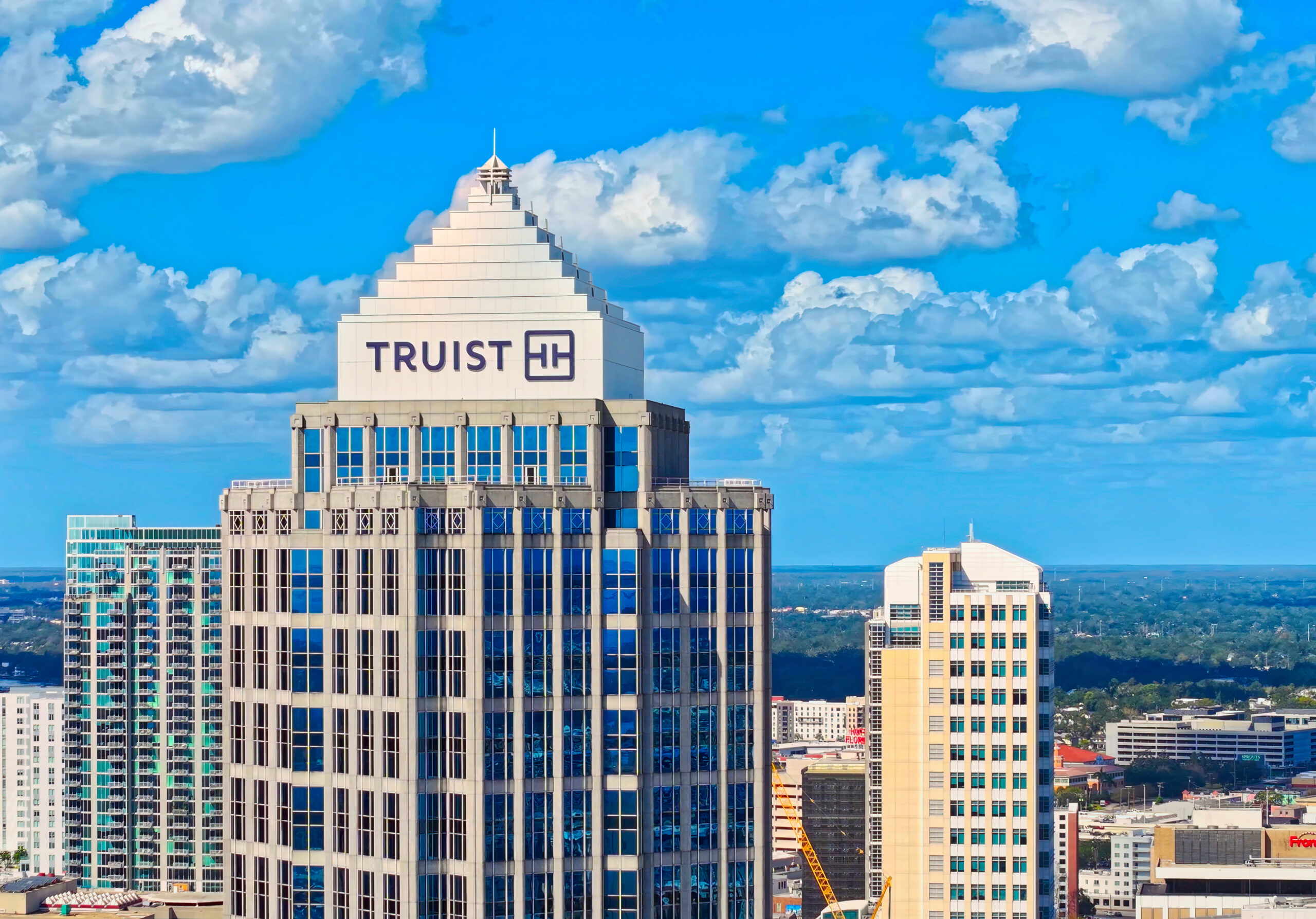
In commercial real estate, reputation is rarely built through grand gestures. It is shaped quietly, over time, through hundreds of small interactions with investors. How clearly a broker presents an asset, how efficiently information is delivered, and how much friction is introduced during early deal evaluation all contribute to how that broker is perceived. One of the most overlooked contributors to this perception is drone coverage.
Drone footage is no longer judged only on its visual appeal. Increasingly, it functions as a reputation signal. Investors may not explicitly comment on it, but they notice who consistently provides clarity and who unintentionally creates confusion. Over time, these impressions compound. Brokers who use drone coverage strategically are seen as prepared, transparent, and investor-aligned. Those who don’t often find themselves explaining more, clarifying more, and moving slower—without realizing why.
How Investors Subconsciously Evaluate Brokers
Most investors would say they focus on fundamentals: pricing, returns, tenant strength, and market dynamics. That’s true—but it’s only part of the story. Long before an investor runs numbers, they assess the experience of evaluating a deal. That experience shapes trust.
Investors subconsciously ask themselves: Is this broker making my job easier or harder? Every element of an offering memorandum, email, or data room either reduces friction or adds to it. Drone coverage plays a critical role in this assessment because it delivers instant spatial understanding. When that understanding is missing, investors feel it—even if they don’t articulate it.
Brokers who consistently include drone coverage tend to bring clarity early in the process. Investors can immediately orient themselves. They understand where the property sits, how it relates to surrounding uses, and how access and visibility function in real life. This clarity allows investors to engage productively with the deal instead of spending time filling in gaps.
By contrast, when drone footage is absent, friction creeps in. Investors must rely on imagination, static maps, or broker explanations to understand the site. This friction manifests as extra emails, additional questions, and requests for clarification. None of these are deal-killers on their own, but they slow momentum and subtly alter how the broker is perceived.
Over time, investors remember which brokers consistently remove friction and which ones introduce it.
One of the clearest signs that visuals are weak is over-explanation. Brokers who lack strong visual context often find themselves compensating with long descriptions, detailed emails, or repeated verbal explanations of access points, traffic patterns, or adjacency.
From the broker’s perspective, this feels like diligence. From the investor’s perspective, it feels like work. Every additional explanation increases cognitive load and introduces the possibility of misunderstanding. Strong drone coverage minimizes the need for explanation because it allows the asset to speak for itself.
Investors rarely complain about over-explaining, but they remember the difference between deals that felt intuitive and those that required effort to understand.
Reputation Is Built in Repetition
A single OM without drone footage won’t ruin a broker’s reputation. But patterns matter. Investors see the same brokers repeatedly across markets and deal types. Over time, they notice consistencies.
Some brokers consistently deliver packages that feel complete, clear, and efficient. Others consistently require follow-up questions, clarifications, and site reorientation. Drone coverage plays an outsized role in these patterns because it addresses the most common early-stage uncertainties in one stroke.
As these patterns repeat, investors begin to associate certain brokers with ease and others with friction. This association influences response time, engagement level, and ultimately deal velocity.
Drone Coverage as a Signal of Professionalism
Professionalism in CRE is often inferred rather than stated. Investors infer it from how a deal is presented and how smoothly information flows. Drone coverage signals that a broker has anticipated investor needs and prepared accordingly.
Including aerial visuals communicates that the broker understands how investors evaluate assets. It suggests attention to detail, respect for the investor’s time, and a commitment to transparency. Even when the asset has limitations, showing them clearly builds credibility. Investors prefer honest clarity over polished ambiguity.
This is why drone footage strengthens reputation even when the property is imperfect. Transparency earns trust.
The Quiet Advantage in Competitive Processes
In competitive deal environments, reputation influences outcomes in subtle ways. Investors may prioritize reviewing certain opportunities first. They may be quicker to engage in follow-up calls or more willing to submit preliminary offers.
These decisions are often driven by instinct rather than analysis. Brokers who consistently deliver clear, drone-supported presentations benefit from this instinctive preference. Their deals feel easier to evaluate, which increases the likelihood of early engagement.
Drone coverage doesn’t guarantee better offers—but it improves the conditions under which offers are made.
For brokers operating across multiple markets, reputation becomes even more important. Investors cannot rely on local familiarity and instead judge deals almost entirely through presentation quality. Drone coverage becomes the primary way to communicate geographic context.
When investors see consistent aerial clarity across a broker’s listings—regardless of location—it reinforces confidence in that broker’s process. It suggests scalability, organization, and professionalism. Without drone coverage, multi-market listings feel fragmented and harder to trust.
The Long-Term Compounding Effect
Reputation in CRE compounds quietly. Brokers who consistently remove friction build goodwill that pays dividends over time. Investors respond faster. Conversations move more smoothly. Deals progress with fewer obstacles.
Drone coverage accelerates this compounding effect by standardizing clarity. It reduces variability in how assets are understood and lowers the effort required to engage. Over dozens of interactions, this difference becomes meaningful.
Up Sonder’s Role in Reputation Building
Up Sonder helps brokers build this reputation deliberately rather than accidentally. With a nationwide network of professional drone pilots and standardized CRE-focused shot lists, Up Sonder enables brokers to deliver consistent aerial clarity across every listing.
Rather than treating drone footage as a one-off marketing asset, Up Sonder integrates it into a repeatable process that supports broker credibility. Every shoot is designed to capture the perspectives investors care about most—layout, access, adjacency, and context—while maintaining compliance and fast turnaround.
This consistency allows brokers to focus on relationship-building while knowing that their visual presentation supports, rather than undermines, their reputation.
Drone coverage has quietly evolved from a marketing enhancement into a reputation signal. Investors may not comment on it directly, but they feel its impact. Brokers who consistently provide aerial clarity are seen as easier to work with, more transparent, and better prepared.
Over time, these impressions shape how investors engage, respond, and prioritize opportunities. In a competitive CRE landscape, reducing friction is one of the most valuable advantages a broker can create.
If you want your listings to reinforce your reputation for clarity rather than create hidden friction, drone coverage must be part of your standard process.
Visit UpSonder.com to integrate professional drone coverage into your next listing and begin building reputation through clarity.